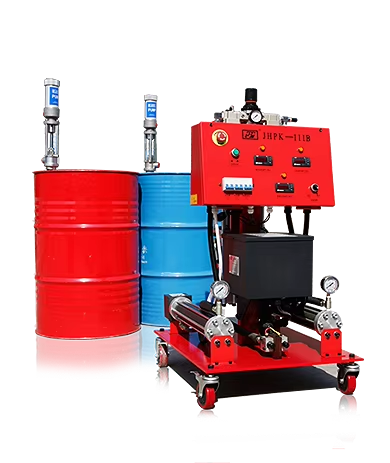
Spray Foam INSULATION

Advantages of Polyurethane Roofing Foam Spray

Traditionally, roofing spray foam materials consist of built-up tar and gravel, or single-ply, clay, asphalt, or metal. Roofing spray foam has become a popular insulation and polyurethane spray foam material because of its durability and affordability.

There are several benefits to using a spray foam roofing system:

  • Spray foam roofs and polyurea are completely seamless, meaning they are less susceptible to leaks and are not affected by constant expanding and contracting like most roofing materials on the market.
  • Unlike tar and gravel or single-ply roofs, spray roofing foam systems limit the movement of water. Since water will not travel laterally as it does in other roofing materials, in the unlikely event a hole does appear in the thick foam it can easily be repaired.
  • Roofing spray foam also conforms to any size and shape roof.
  • Spray foam results in a 30% energy savings over alternative roofing materials.
  • In certain cases, spray foam roofs can be applied directly over existing substrates such as asphalt, clay, metal, wood, and built-up roofs – with minimal preparation.
  • Applying a spray foam roof is less disruptive to the building’s inhabitants, as tear-off of the old roof is minimal and the project can be completed quicker, quieter, and with less invasiveness than traditional roofing projects.
  • Roofing spray foam requires minimal upkeep and can last for several decades with proper care.

Polyurethane for Roofing  system

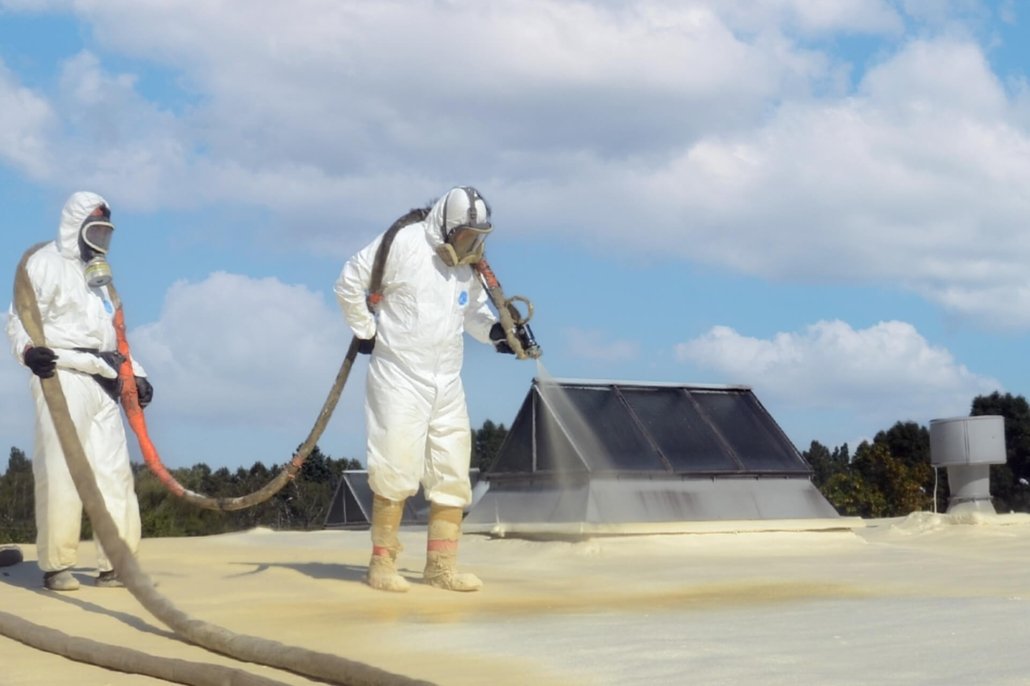
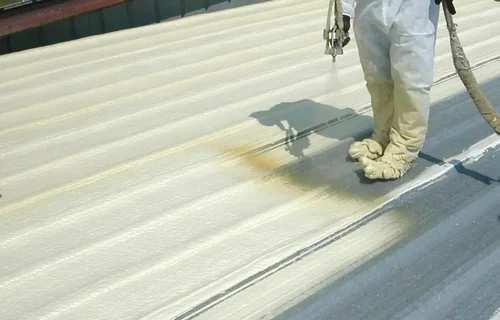
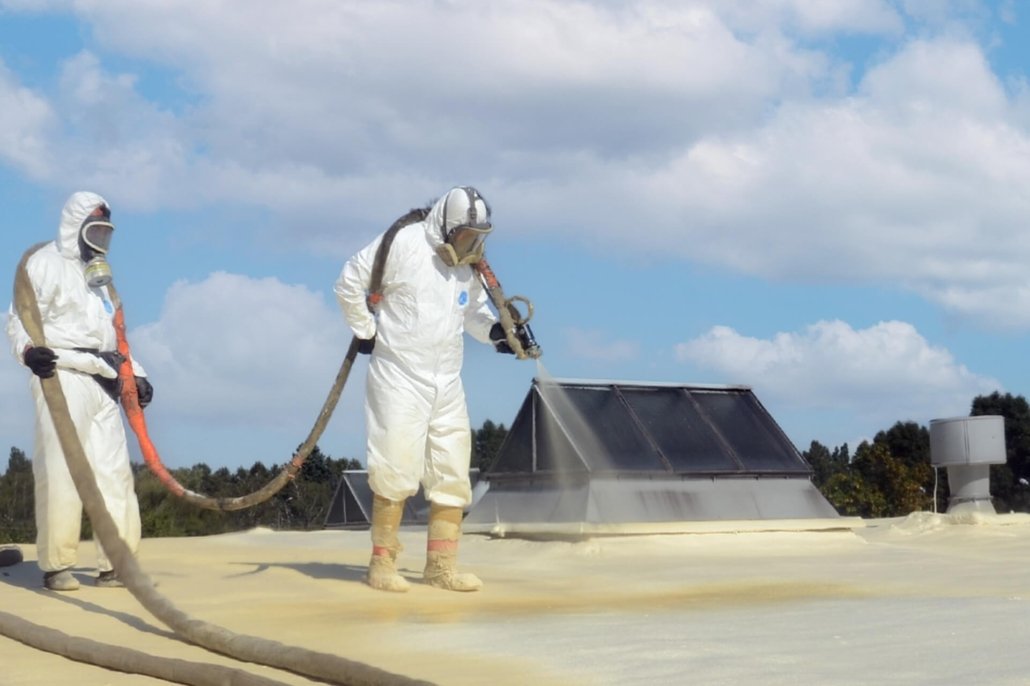
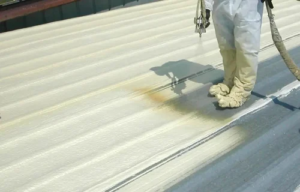
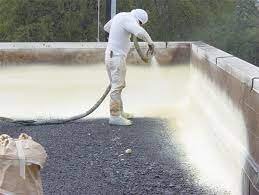
Spray foam applied to commercial and residential low slope roofs stop leaks, reduce energy loss, and extend the life of existing roofs. Field-applying multiple layers of strong roof coatings, the spray foam roof system is ideal for use over Cap Sheet, Plywood/OSB, Metal, Concrete, ISO Board, Tar and Gravel roof substrates.

Polyurethane HEAT INSULATION KIRBI

Ultra-Thane Spray Foam Features

 Polyurethane Foam Spray FOR TANKS

Ultra-Thane Spray Foam Benefits